HOW TO PREPARE FOR FILM CAMP
This guide is here to prepare you for what to expect at our 2-Week Filmmaking Summer Camp, get you excited for this amazing experience, and tell you what you need to complete before camp starts. Use the table of contents to jump around, but be sure to take your time and familiarize yourself with how the two weeks will work.
At its core, this 2-week camp is a crash course in filmmaking, as experienced through lessons, exercises, and the production of a 4-6-minute short film. Campers will arrive on the first day of camp and pitch the film they want to make (full details on pitching a film are provided below). Then the various counselors and campers will vote on the pitches they feel are most feasible to produce and the most exciting.
The campers will then split into the groups they will work with for the remainder of the camp and be assigned a counselor who will largely guide them through the process and help them achieve their goals for the project they’ve embarked on.
The first week is largely devoted to filmmaking lessons from our expert counselors and pre-production time to write and plan our productions. That pre-production will pay off when we then shift to our production/shoot days in our various locations, with our professional actors and production designer.
Then, the final days are spent back at The Backlot - Film School and Studio, where campers will edit their films for their big premiere on the final night of camp.
TABLE OF CONTENTS
- MEET YOUR COUNSELORS
- DAILY SCHEDULE
- WHAT TO PREPARE
- HOW TO PITCH YOUR FILM
- MEET YOUR ACTORS
- VISIT YOUR LOCATIONS
MEET YOUR COUNSELORS
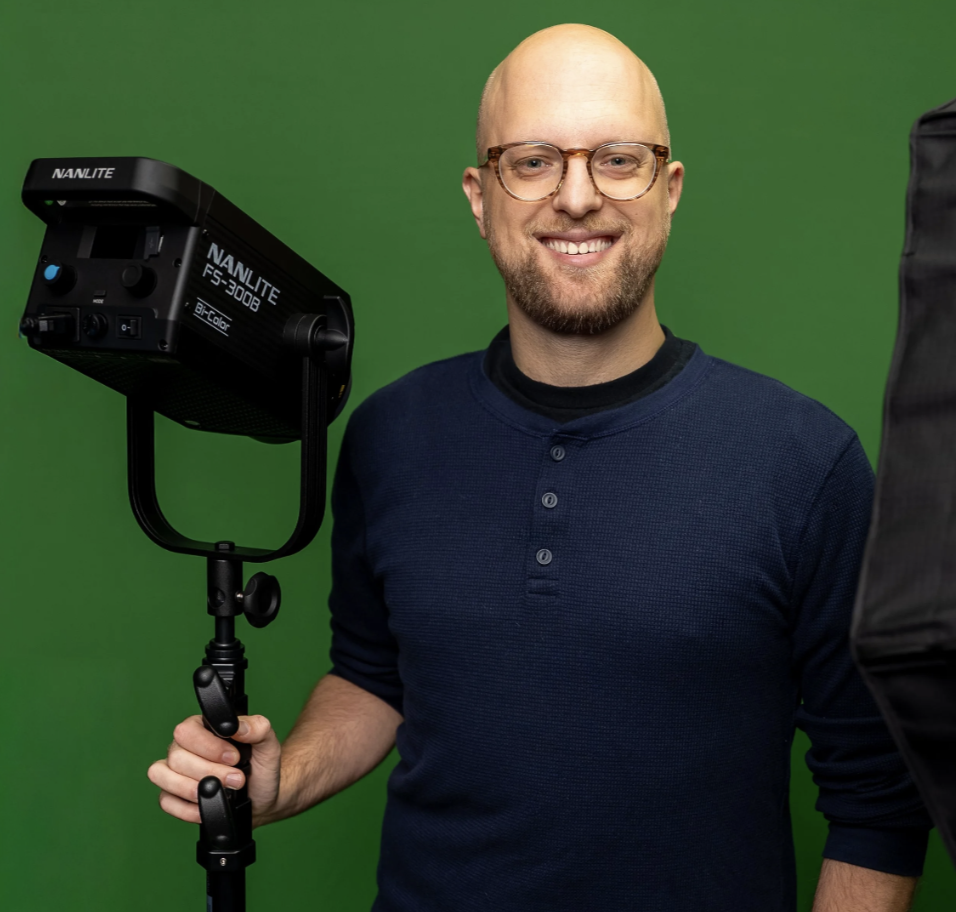
Dan Gvozden
Founder of The Backlot & Counselor
(he/him) With over fifteen years of experience teaching filmmaking, photography, and creative writing at prestigious private high schools and universities, Dan’s passion for teaching his students to use the filmic arts to express their voices, regardless of budget, resources, or ability, led him to found The Backlot - Film School and Studio.
With a Film & Television Production BFA from NYU’s Tisch School of the Arts, a Cinema and Media Studies MA from UCLA, a decade of published work as a film critic, and a lifetime of film productions, in addition to his years as a teacher, Dan is excited to give our campers an experience they’ll never forget!
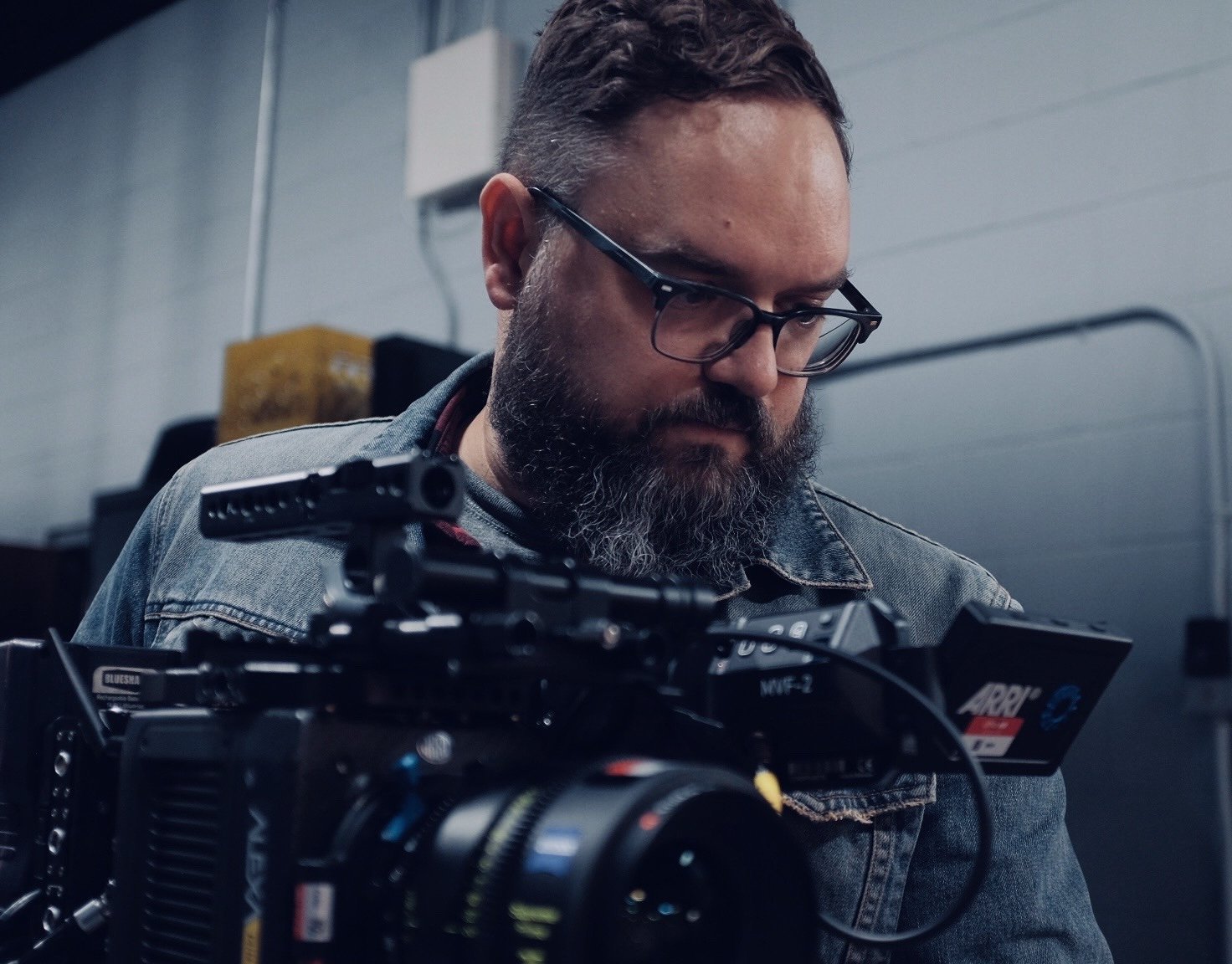
Ray Rushing
Cinematography Teacher & Counselor
(he/him) Ray is a New York City-based cinematographer with nearly two decades of experience in video production and still photography. He has worked across a wide range of projects, from commercials and branded content to narrative and documentary projects.
With a collaborative approach on set, he combines a deep understanding of visual language with meticulous planning and execution alongside his co-creators. Ray also has a passion for teaching and a desire to pass on what he has learned over the years to the next generation of filmmakers.

Wyatt Unger
Directing Actors Teacher & Counselor
(he/him) Wyatt is a decorated actor and acting coach specializing in improvisation, with twenty years of experience on stage and screen. Wyatt currently directs "All County Improv" for Howard County Schools, guiding a super team of high school improvisers from across Howard County.
In addition, he is also a founder of the award-winning SHRUG Productions. Together, they have made over thirty short films and have seen them screened at the Cannes Film Festival. Wyatt’s passion for storytelling on stage and on the screen is only matched by his love for working with students. He teaches from a place of love and compassion to help each one of them to flourish and believe in their own vision.
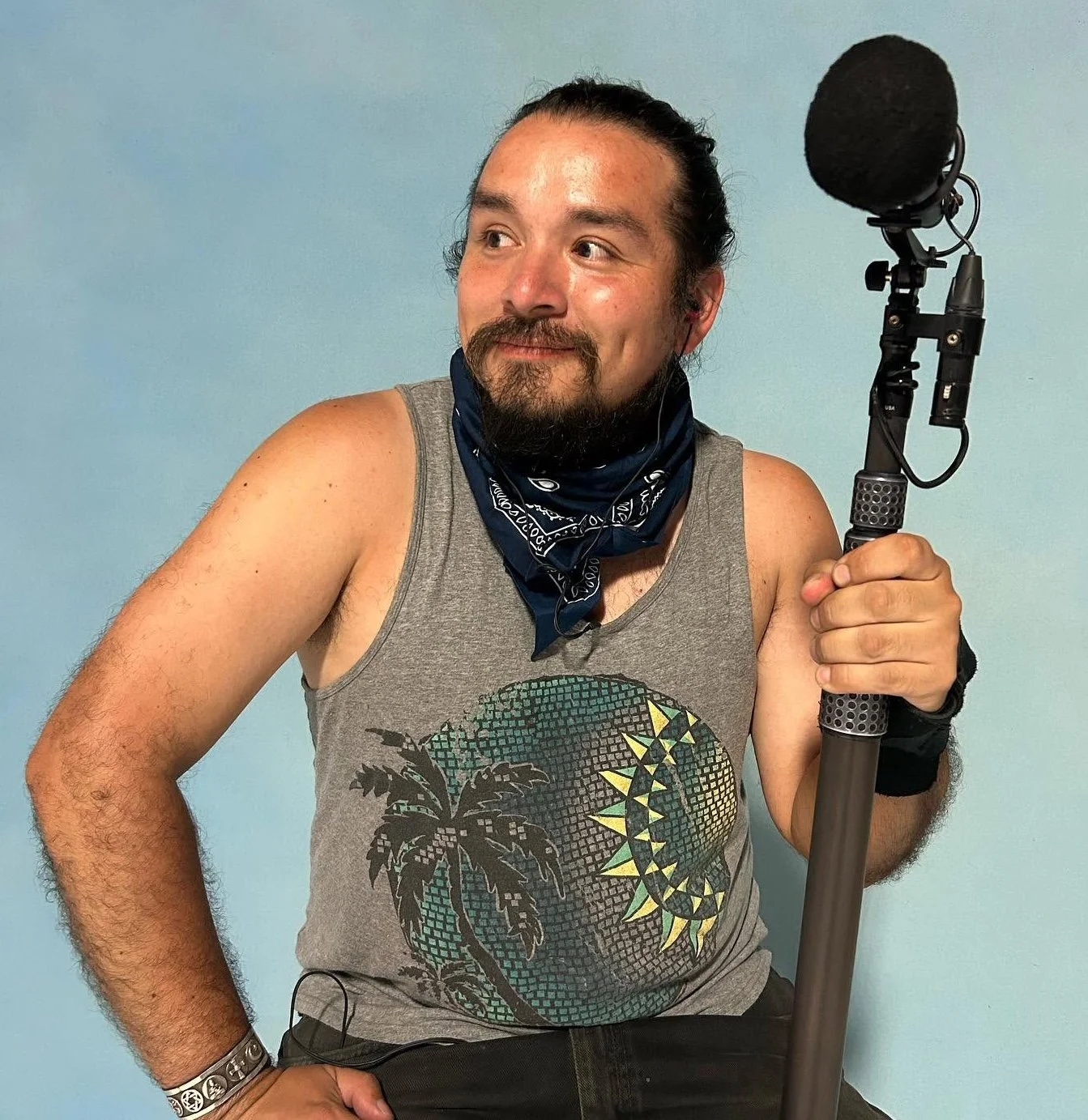
Stephen Harrod
Production Sound Teacher
(he/him) Stephen Harrod is a production sound engineer from Annapolis. His career is highlighted by numerous works in feature, short, and streaming documentary films.

Tasnim Ochoa
Production & Costume Designer
(she/her) Tasnim is a production designer with an ardor for creating thoughtful, visually-compelling spaces that bring stories and experiences to life. Creativity and resourcefulness are at the heart of everything she does. She loves collaborating with people, paying attention to the details, and creating work that leaves a lasting impression.
DAILY SCHEDULE
Every day runs from 10 AM to 4 PM. If you require before- or after-care for your camper, please email us at contact@thebacklotmd.com to arrange supervision (more details below).
JUNE 22nd (Monday)
Welcome
Pitching Our Films and Voting
Meeting Our Teams and Counselors
LESSON: The Stages of Production
LESSON: Screenwriting 101
Writing Our Scripts
JUNE 23rd (Tuesday)
LESSON: Cinematography & Camera Operation
LESSON: How to Shoot a Scene
Camera Exercise
LESSON: Creating a Shot List & Lined Script
Visiting Our Locations, Meeting Our Production Designer
Writing Our Shot Lists & Lined Script
JUNE 24th (Wednesday)
LESSON: On-Set Roles & Production Audio Recording
LESSON: Setting a Schedule
Pre-Production Work Session
JUNE 25th (Thursday)
LESSON: Directing Actors
LESSON: Film Lighting 101
Final Pre-Production Work Session
JUNE 26th (Friday)
SHOOT DAY!
JUNE 29th (Monday)
SHOOT DAY!
JUNE 30th (Tuesday)
LESSON: Post-Production Editing
Post-Production Time
Delivering Our Rough Cuts
JULY 1st (Wednesday)
LESSON: Post-Production Audio
Post-Production Time
Delivering Our Final Cuts
NIGHTTIME SCREENING AND GOODBYES
Details on this event will be announced soon.
WHAT TO PREPARE
Before the first day of camp, there are a number of things that each camper should be prepared for, which we will outline below:
Familiarize yourself with the details on this website, including the daily schedule and the “How to Pitch Your Film” section below.
If you are interested in before or after-care, extending camp hours from 10 AM - 4 PM to 8 AM - 6 PM for $20/hr, please email contact@thebacklotmd.com and indicate which days and times you would like to sign up for by Friday, June 19th.
Pizza lunches will be provided on Friday, June 26th, and Monday, June 29th. For all other days, campers should bring their own clearly labeled, bagged lunches that do not require refrigeration.
If there are any particular food, health, or safety concerns for each camper, please email us all the details at contact@thebacklotmd.com, and we will respond with a confirmation to best ensure your camper’s comfort during their camp days.
Campers should arrive appropriately dressed to camp each day, as if attending school. On our shoot days, Friday, June 26th, and Monday, June 29th, campers should arrive wearing pants/shorts, closed-toed shoes, and a provided The Backlot t-shirt. We will be working on a production set, and appropriate attire is important. Some clothing, such as sandals or loose-fitting attire, could provide a potential hazard to campers.
HOW TO PITCH YOUR FILM
On the first day of camp, each camper will have the opportunity to pitch an idea for a short film to be made by one of the film groups over the next two weeks. We will start with pitches so we can immediately develop the scripts, schedule locations, and secure the necessary actors for each film. As such, priority will be given to the campers whose pitches are most developed, appropriate for the production timeline, and that interest the most campers. Below, we will describe how to construct your pitch, provide tips on what to prioritize and focus on, and give you a place to look for examples of other short films made by teenagers.
Not every camper has to pitch a film, but if a camper wants to make a film based on their idea, they must do so. If not enough campers present pitches, or none of the pitches are appropriate to the scope of the camp, the counselors will provide several basic idea templates to develop.
We will not be providing time to work on the pitch once the camp starts, but if a camper would like to get feedback on a pitch prior to the camp, they can send their materials to contact@thebacklotmd.com with the subject line reading “Pitch Seeking Feedback” and we will respond with whatever advice we deem appropriate.
CONSTRUCTING AND PRESENTING A PITCH
For a pitch to be considered, each camper must step in front of the other campers and counselors to present their pitch. Presentation style counts; campers are essentially trying to sell their peers and counselors on the idea and get the green light to move forward. And so, being prepared and confident is very important.
Pitches are, at their core, spoken-word presentations, but campers can bring in audiovisual components to support their presentations if they would like. This could be a PowerPoint, video, slides, artwork, etc. We just ask that they submit those materials at least a day before the first day of camp by emailing them to contact@thebacklotmd.com, so we can be sure they can be projected during the pitch.
What’s most important about the content of the pitch is that PITCHES ARE NOT SCRIPTS.
We will be developing our scripts together as groups. But pitches should present the script's core idea and story in a way that makes it very clear to the other campers and counselors. Your job, in many ways, is to spark our imaginations and to get us to want to hear more and see your idea come to life.
The following are the core elements that make up your pitch:
2-Sentence Logline
Think of this like an elevator pitch. You have two sentences, or thirty seconds, to tell us the idea of your movie, get our attention, and make us hungry for more. Tell us who, what, when, where, and how. Who is the main character, why we should care, and the problem they face, with a hint of how they might overcome it. The “how” of the pitch can be the most interesting element; it can suggest a theme, a tone, etc. It’s the extra character that you bring to the story idea. And a good longline can leave us hanging, once we know the setup to the idea or the problem our protagonist is going to face, and ask a question about how it might be resolved. Here are a few good examples:
“A down-on-her-luck New York playwright decides to reinvent herself and salvage her artistic voice the only way she knows how — by becoming a rapper at age 40.”
“A smart, lonely teen is commissioned by the high school running-back to write love letters to the object of his—and her—affection.”
“Two overworked young assistants set up their highly driven—and difficult—bosses in hopes that love might soften them, and in turn make their own lives easier.”
You may be tempted to write a “high concept” pitch, like one that emphasizes a crazy twist or a larger-than-life scenario, but for our 4-6-minute film, these approaches rarely work. So, think smaller than what you might expect from a feature-length film. Something as simple as a character considering which peanut butter brand to buy from the grocery store is likely to be more effective than a murder mystery or twisted ghost story. For example:
“When Sam, a young man whose parents separated early, shops for peanut butter for his son’s sandwich, this simple choice between two brands evokes memories of his parents' different approaches. Will he choose one or forge a new path for his family?”Treatment
In two paragraphs, tell us the beginning, middle, and end of your story. Don’t go into intense detail, that’s for the script phase, but this is a way to tell us what you think your story could look like, extended from your logline. There’s a very good chance that this will fundamentally change with the script is written, but you can use this to tell us broadly about the meat of your story. Here’s a good example:
Title: Sorry, We Missed You
Logline: An expectant young woman must outsmart the mailman who, instead of delivering her package, appears only long enough to leave a “Sorry, we missed you” ticket each morning.Treatment: Waiting in the sunroom of her quiet home, an expectant young woman patiently sips her tea and watches the clock. A doorbell sounds, and she stands, approaching the door. Upon discovering the empty porch, she looks back at her red door and finds a freshly taped-up note: “Sorry, we missed you.” For the next few days, the process repeats.
One morning, she waits outside and receives a paper airplane ticket. Next, she carries an enticing treat to try to force contact, but the mailman somehow takes it and leaves just another ticket. Next, she places a sticky mat onto the porch to keep him stuck, but she finds that the mailman abandoned his shoes in the muck and left a ticket anyway. After an escalating series of failures, the woman succeeds at last by allowing the tickets to pile up, forcing his curiosity to approach her back porch, where she lies in wait—the mailman, helplessly trapped on the porch by an enormous net, can only concede; he hands her the long-awaited package. Triumphant, she releases him and waves as he drives out of sight. Returning inside, she opens the package… sliding to the ground in defeat. In her hand, a cleverly packaged ticket reads: “Sorry, we missed you.”Resources
For our purposes, each camper should outline the resources they’ll want to utilize in their films, if their pitch is to be approved. The most important are the actors and locations you’ll ideally want to use. Please use the resources below to outline what you’ll need, because those are the resources that are available to use and will need to be divided up between the various productions. So, ideas that minimize the locations and actors needed will make for easier productions. But, don’t feel limited by those options, we can do a reasonable amount of redecorating and designing of those spaces to fit the story you dream up. Just don’t expect us to transform everyone into zombies or to have people flying through the air on high-wire acts.
DOs & DO NOTs
Here are a few tips on things you absolutely should do and should not do to be successful with your pitch.
KISS (Keep It Simple, Stupid)
Film is about small things, little emotions, small problems elevated to screen-size proportions. You can be just as effective with a smaller story about how someone’s world changes than with one about how the entire world changes. This isn’t a time to showcase how many resources you can command in making a film, but how you can use the tools to tell a story effectively.Prioritize Your Actors
We have great tools and incredible resources, but we aren’t a Hollywood studio, and you are just starting on your filmmaking journey. So, the best use of your time and resources is to invest in your actors, who will be able to elevate your idea to the same heights as something from a major studio. So, consider an idea that puts the actors front and center and lets you focus on their performances to bring your idea and world to life.Be Specific and Have a Point of View
The best way to avoid cliches, like a twist ending and other cheap storytelling tricks, is to tell something true and from your life. The simplest way to create a universal experience is to tell one rooted in humanity and in your specific view of the world. The best films can entertain while also showcasing the creator’s voice and point of view through a story. Think about that film about peanut butter we detailed above. It may seem like a simple story about what to put on a sandwich, but it can be about memory, parenting, divorce, and other big concepts, just “sandwiched” (pardon the pun) inside something that appears very simple on the surface.Have Fun and Let Your Freak Flag Fly
Enthusiasm counts. Don’t be afraid of being weird. That’s what’s going to be the most fun. Give us something we haven’t seen before. One of our favorite camp films was about a group of pencil salesmen who gift their boss a box of cupcakes, only to watch her choke on them and die moments later. They then spend the next few minutes trying to hide her body, only to find themselves victims of fatal accidents that pile up. It was very weird and very funny, and something everyone who saw it will remember forever.Don’t Be Afraid to Fail
If your pitch isn’t chosen during camp, it’s a great opportunity to get feedback and try it again another time, or do something completely different. In art, you are only as good as your next idea!
MEET YOUR ACTORS
One of the most exciting elements of our 2026 Summer Camps is that you’ll be working with professional actors (as well as your peers) to cast your films. Below are the bios and audition materials for the actors joining us for camp. Each of the actors has provided a headshot and auditioned for your, as of now, non-existent film. So, they have chosen a monologue to deliver to show you an example of a performance they can give. Then we provided them with a different direction for delivering the same monologue. This is an excellent way for actors to showcase their range and directablity (or flexibility) in their performances.
Watch through the auditions and use their performances for inspiration for your pitch, making note of who you think you’d like to work with and for what roles in the film pitches that you’ll be presenting for consideration on Monday, June 22nd, during our “Pitching Our Films and Voting” segment of the day.
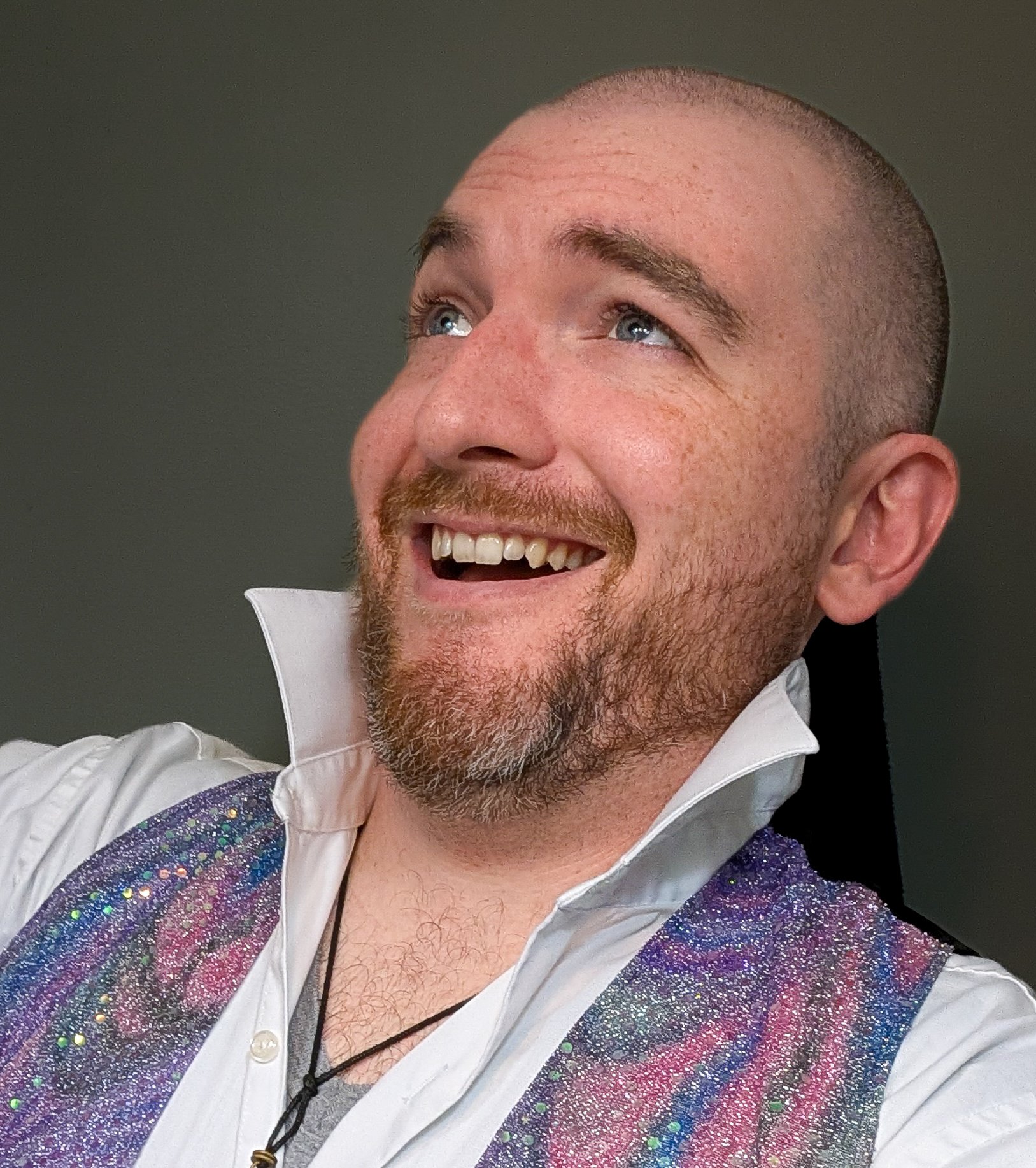
Ben Bell
(he/him) Ben Bell is an Annapolis native and a professional actor/nerd. When he is not performing, he can be found in his basement playing board games and D&D. He has been professionally creative for over 15 years and is excited to be in your next film!
Watch his audition!

Emmanuel Kerry
(he/him) Emmanuel Kerry is an actor and filmmaker whose work spans television, film, theatre, commercials, and voiceover. He has built a reputation for grounded, compelling, dramatic performances. Passionate about fantasy, sci-fi, and supernatural storytelling, he is also the founder of Fabled Finch Productions, developing original projects that blend imagination, hope, and cultural resonance.
Watch his audition!
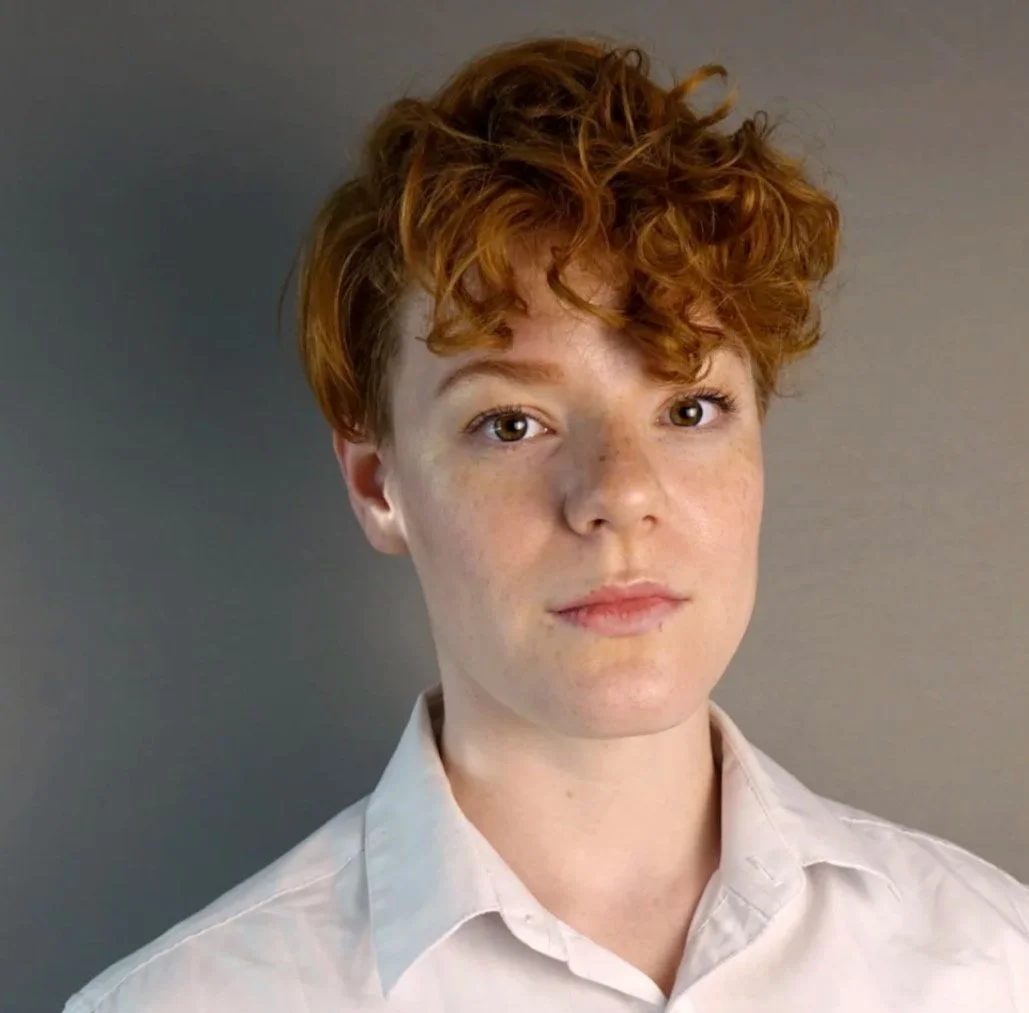
Cade Mac Aodhagáin
(they/them) Cade is a non-binary actor, fresh from Los Angeles, who works in film and theatre. Their film credits include The Book of Todd (Sarah), Celtic Cross (Keira), Beyond (River), and more. They trained at Shenandoah Conservatory and Stan Kirsch Studios (Los Angeles).
Watch their audition!
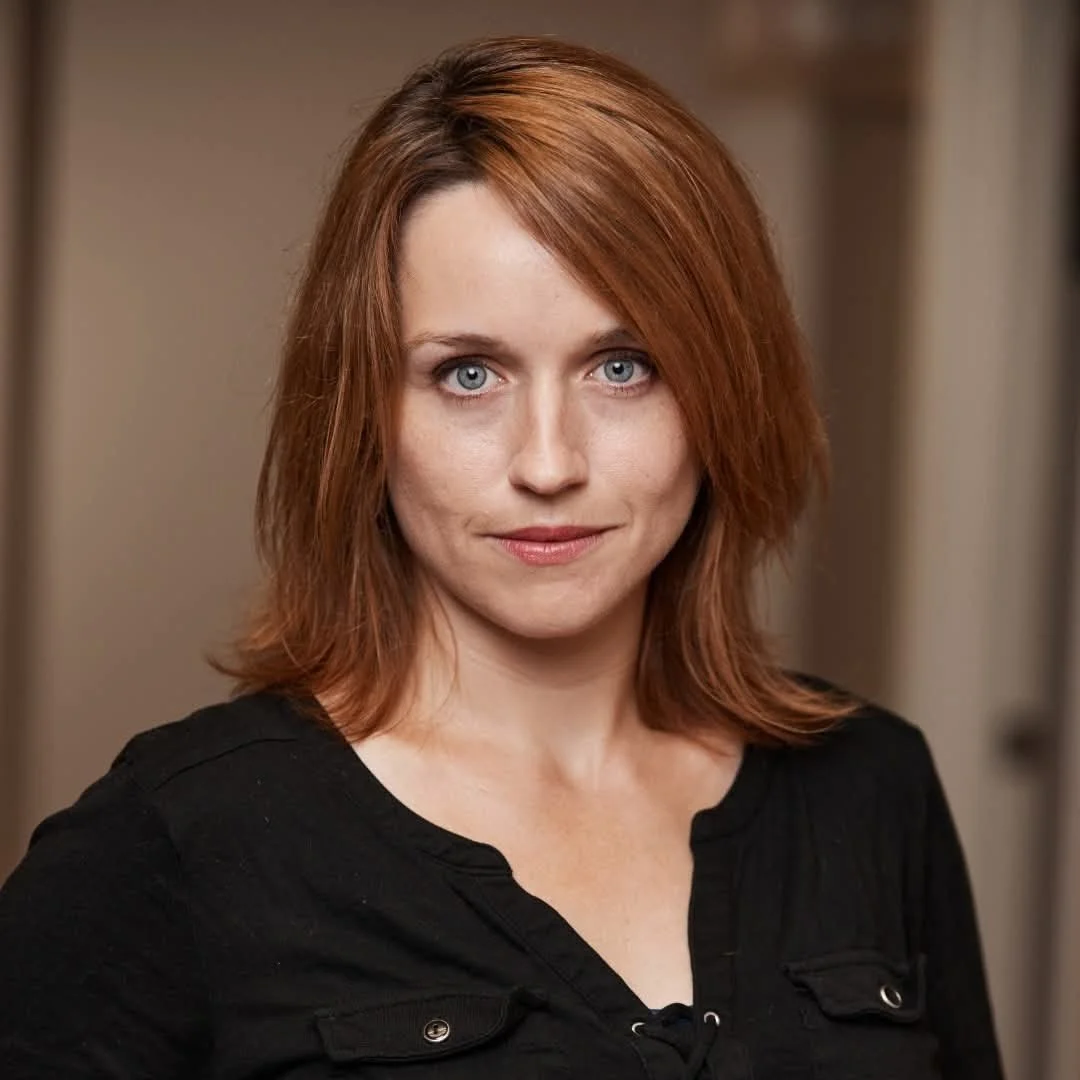
Claire Coyle
(she/her) Claire Coyle has been a professional actor and voiceover talent for the past 15 years. When she’s not on the mic, she’s learning new marketing skills and hanging out with her family and critters, including an energetic doggo and baby. She’s also an avid equiestrian who enjoys nature and can’t wait to work on some projects this summer with campers.
Watch her audition!
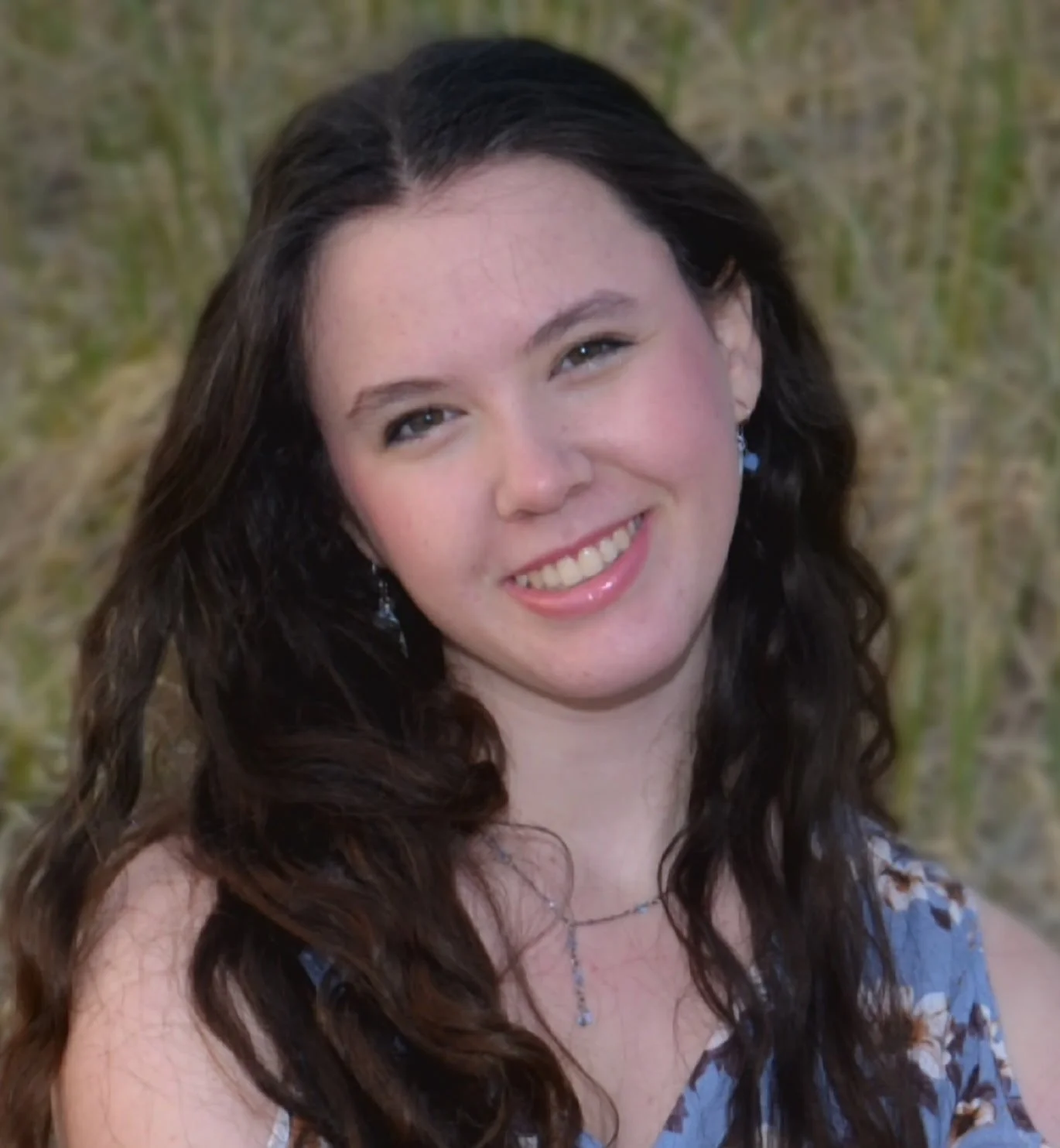
Kennedy Richman
(she/her) Kennedy is a theater kid at heart with a love for all sorts of performance. She is a student at Towson University, double-majoring in Theater and Electronic Media & Film. She has been performing for essentially her whole life, from musicals to open mic nights to choir to violin to improv, and she is looking forward to working with this year’s campers.
Watch her audition!
Wyatt Unger
(he/him) Wyatt is a decorated actor and acting coach specializing in improvisation, with twenty years of experience on stage and screen. Wyatt currently directs "All County Improv" for Howard County Schools, guiding a super team of high school improvisers from across Howard County.
Watch his audition!
VISIT YOUR LOCATIONS
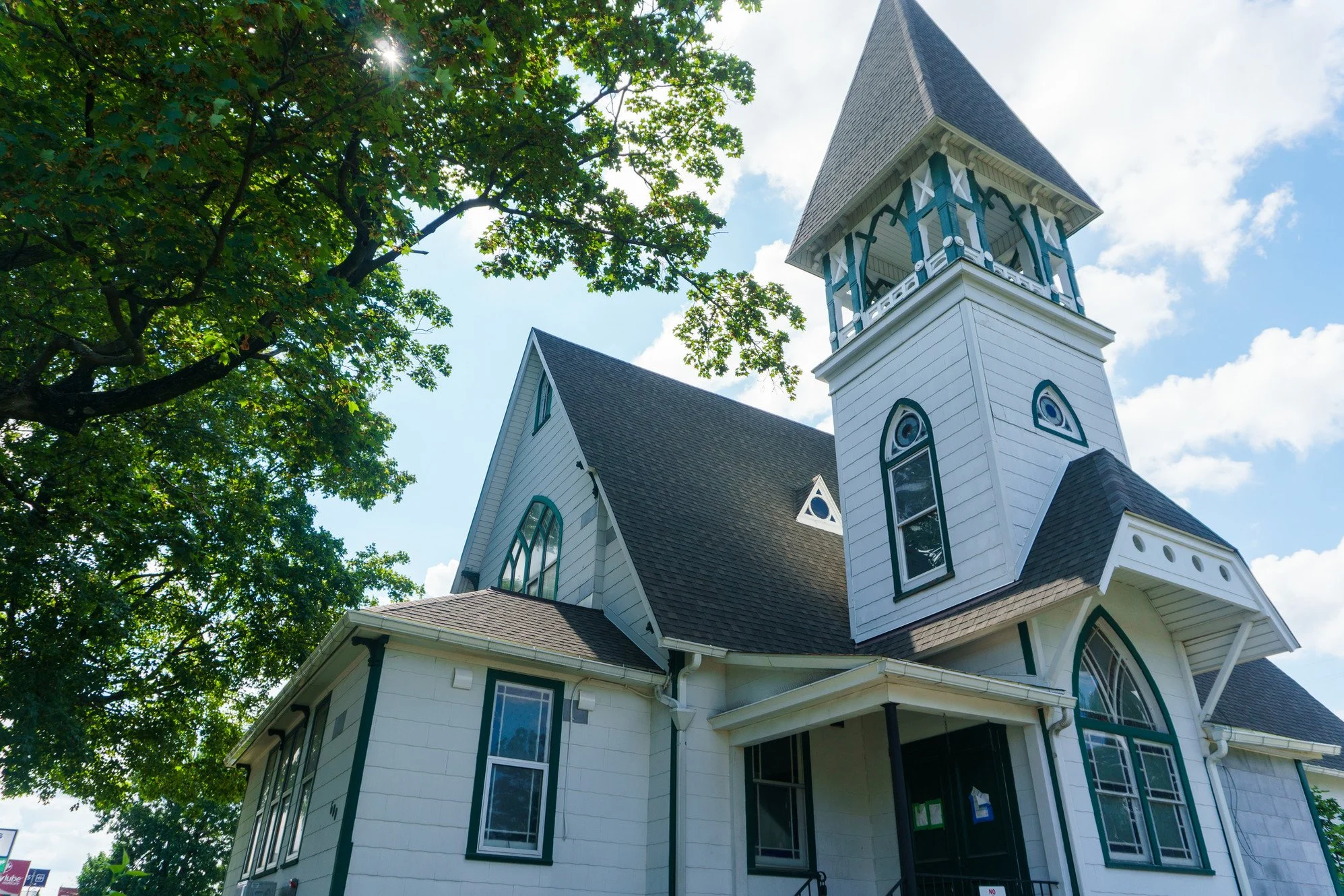
The element that will most significantly impact your pitches is our shoot locations. For this year’s camp, we are fortunate to have three primary locations: The Backlot studio, The Chapel in Catonsville, and the Baltimore County Arts Guild’s Clubhouse. With the help of our production designer, we can transform these spaces to some extent into whatever your pitch requires.
Please explore these virtual walkthroughs and videos to get a sense of the space and dream up how you would want to use them for your film. These are the three spaces we will have access to, so craft your pitch around them and be sure to include which spaces you’d want to use in your pitch, so that we can ensure that you will have access to them on our shoot days.
THE CHAPEL
Explore this virtual tour in another tab, if preferred.
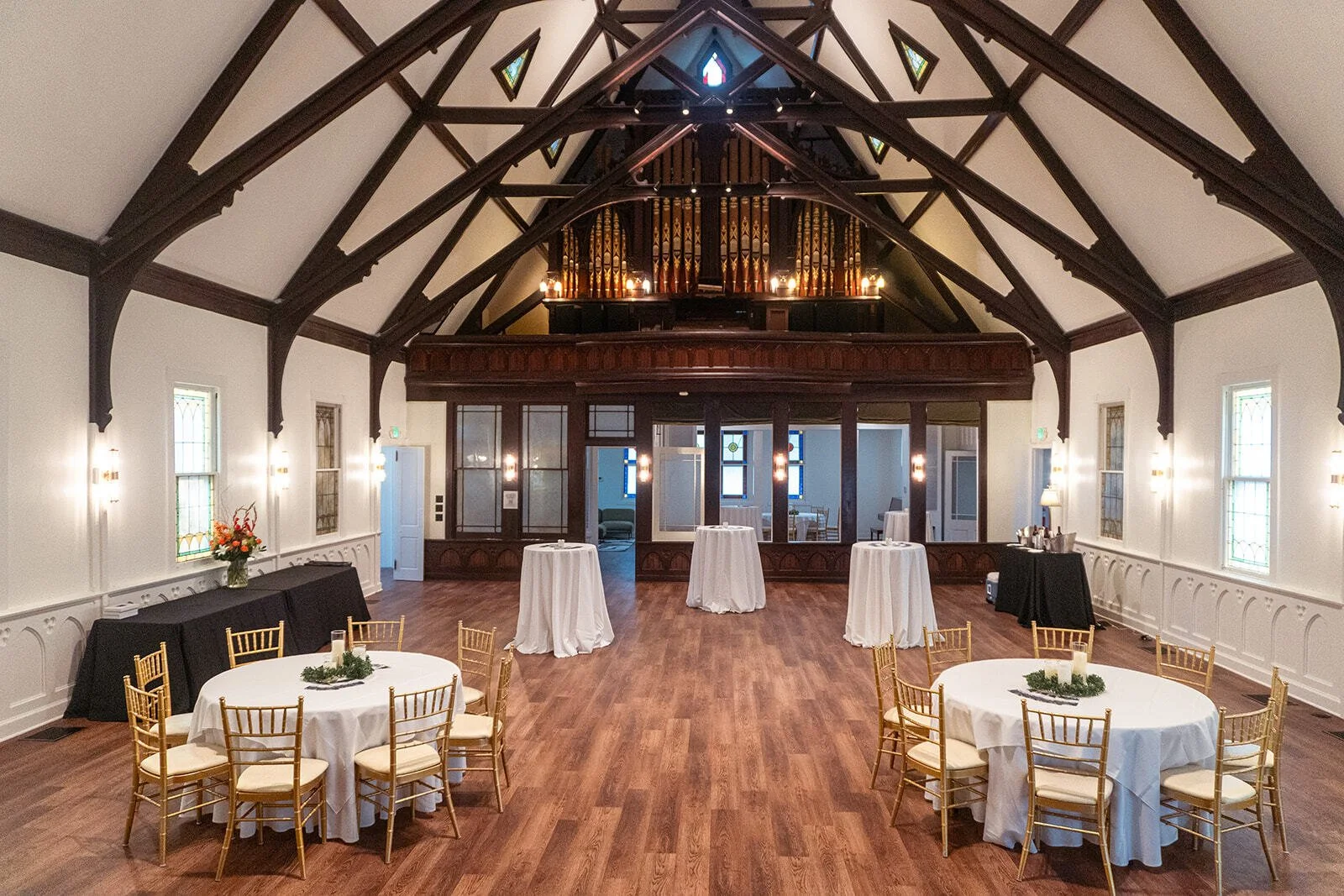
The Chapel offers us a variety of exciting indoor and outdoor spaces to shoot our films. There is the central ballroom, with its lofty ceiling, stage, functional pipe organ, and balcony. We also have access to the kitchen and various other side rooms that could function as apartments, offices, and more. Lastly, we have access to the storage room/basement, in case we wanted to film something like an interrogation scene or something requiring a bit more of a dusty setting.
THE CLUBHOUSE
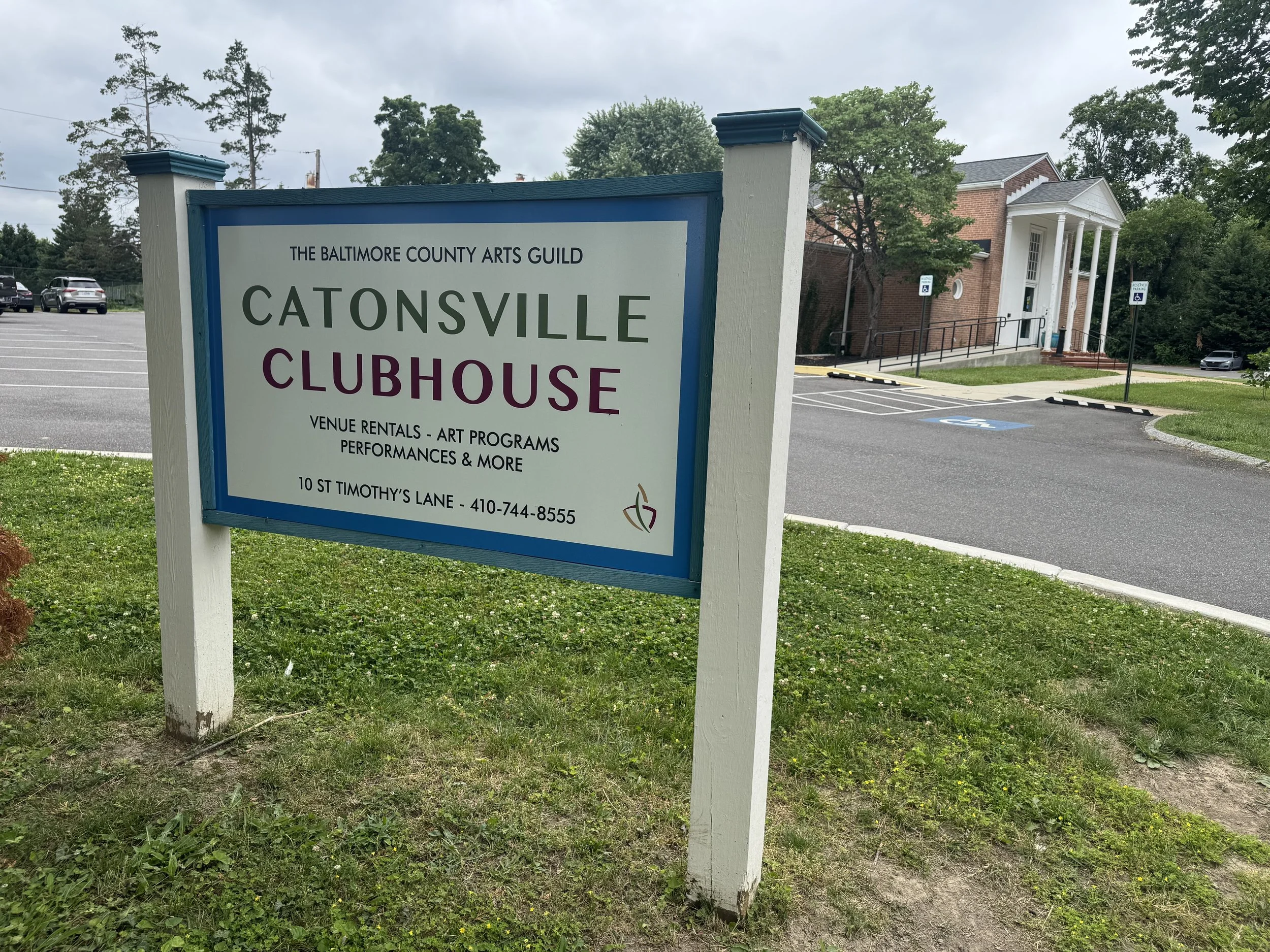
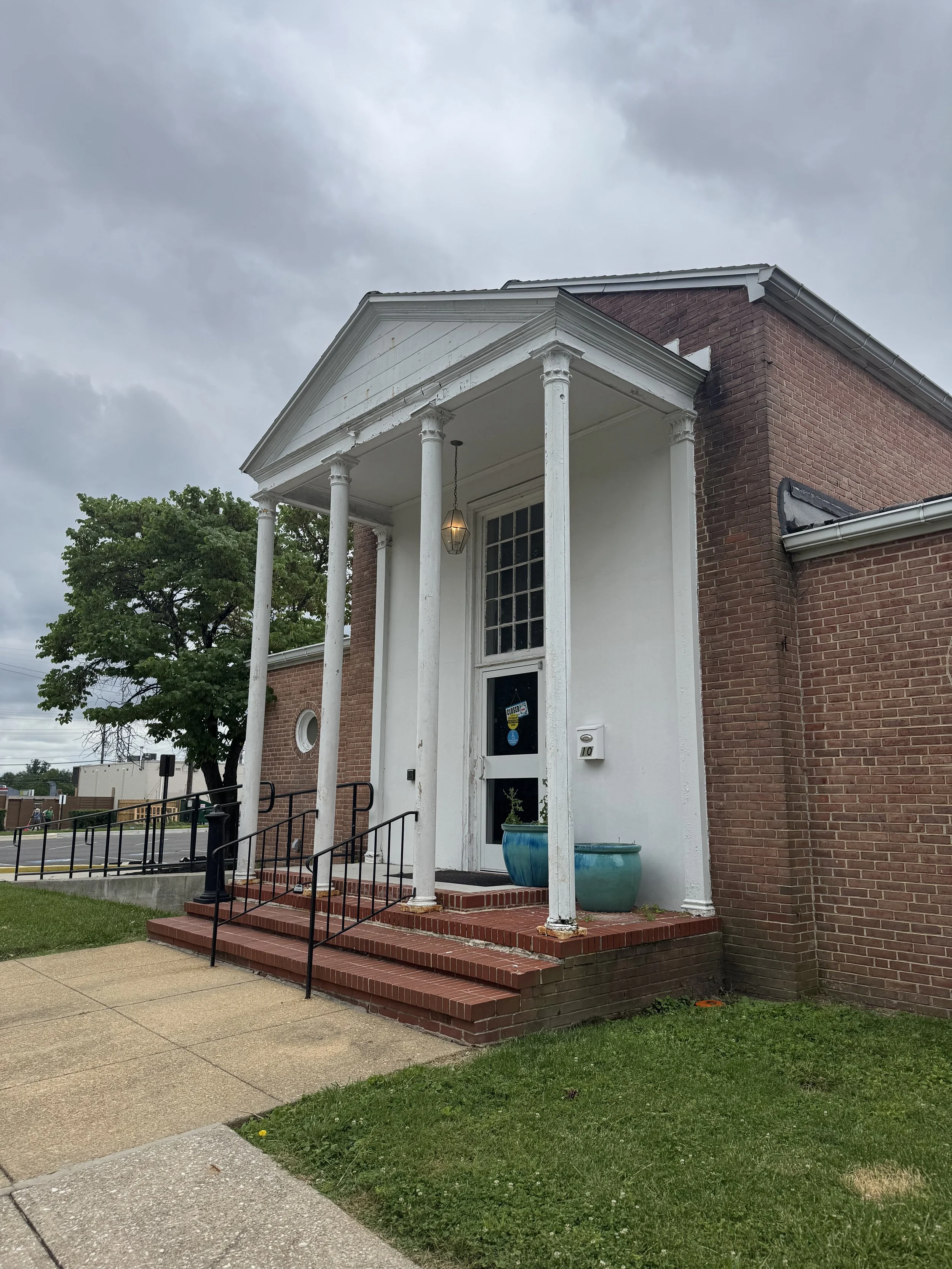
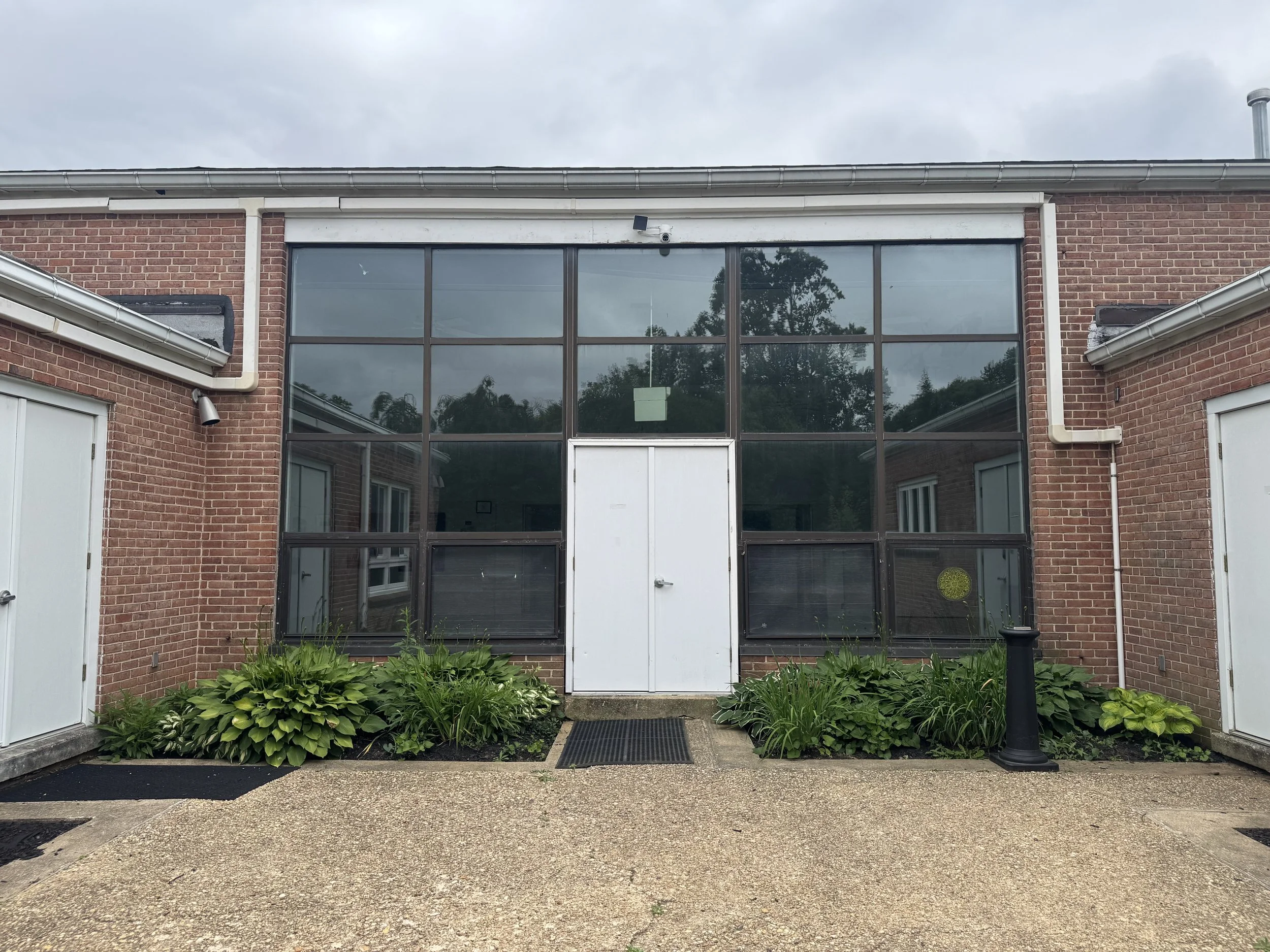
The Clubhouse offers us a variety of exciting indoor and outdoor spaces to shoot our films. There is the central ballroom, with its lofty ceiling, stage, chandeliers, and foyer. Each part of it could be sectioned off to become an independent space, if needed. We also have access to the kitchen and a spacious office (not seen here) that could function as apartments, offices, and more. We also have access to the patio/garden and the parking lot if exterior spaces are needed for the film.
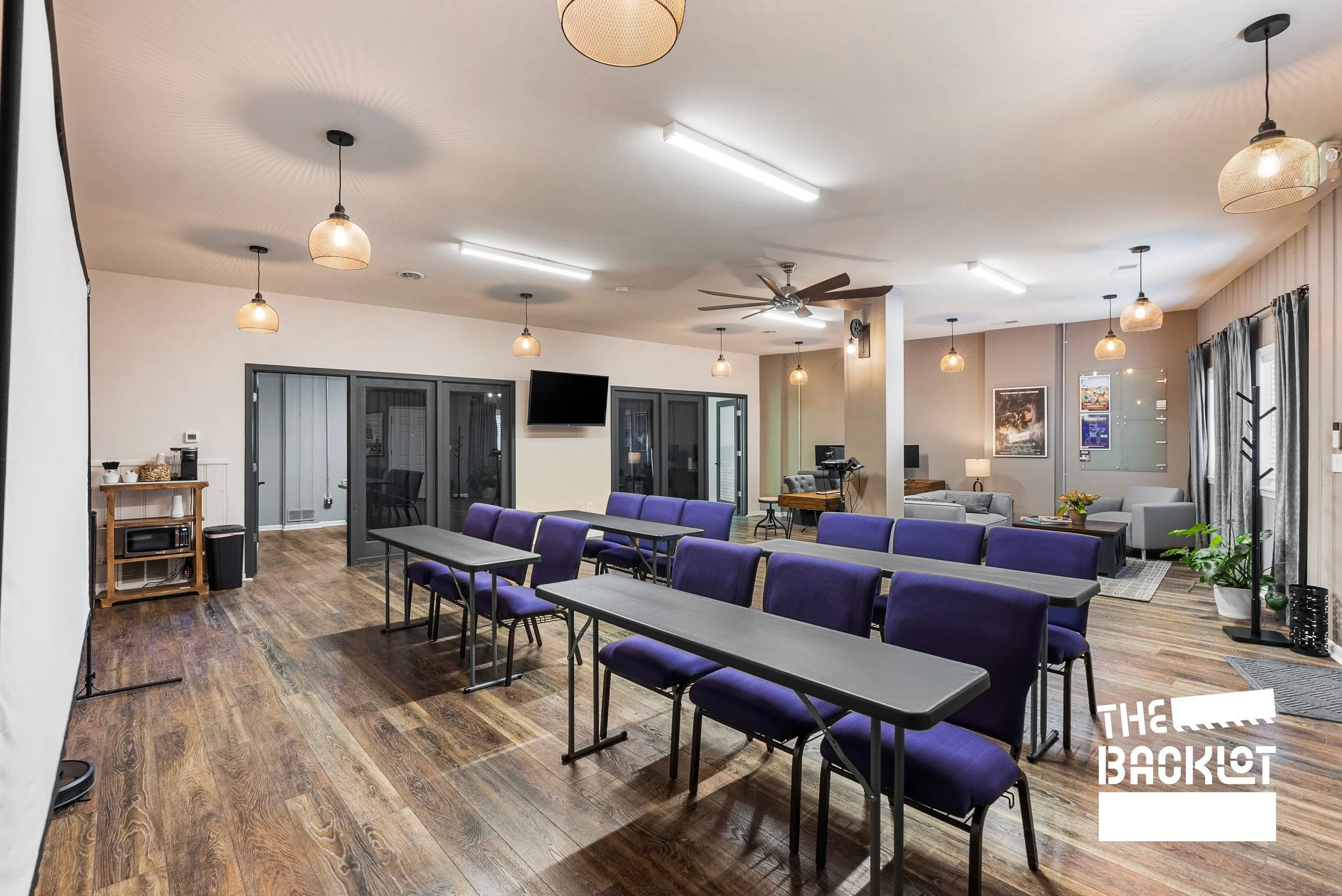
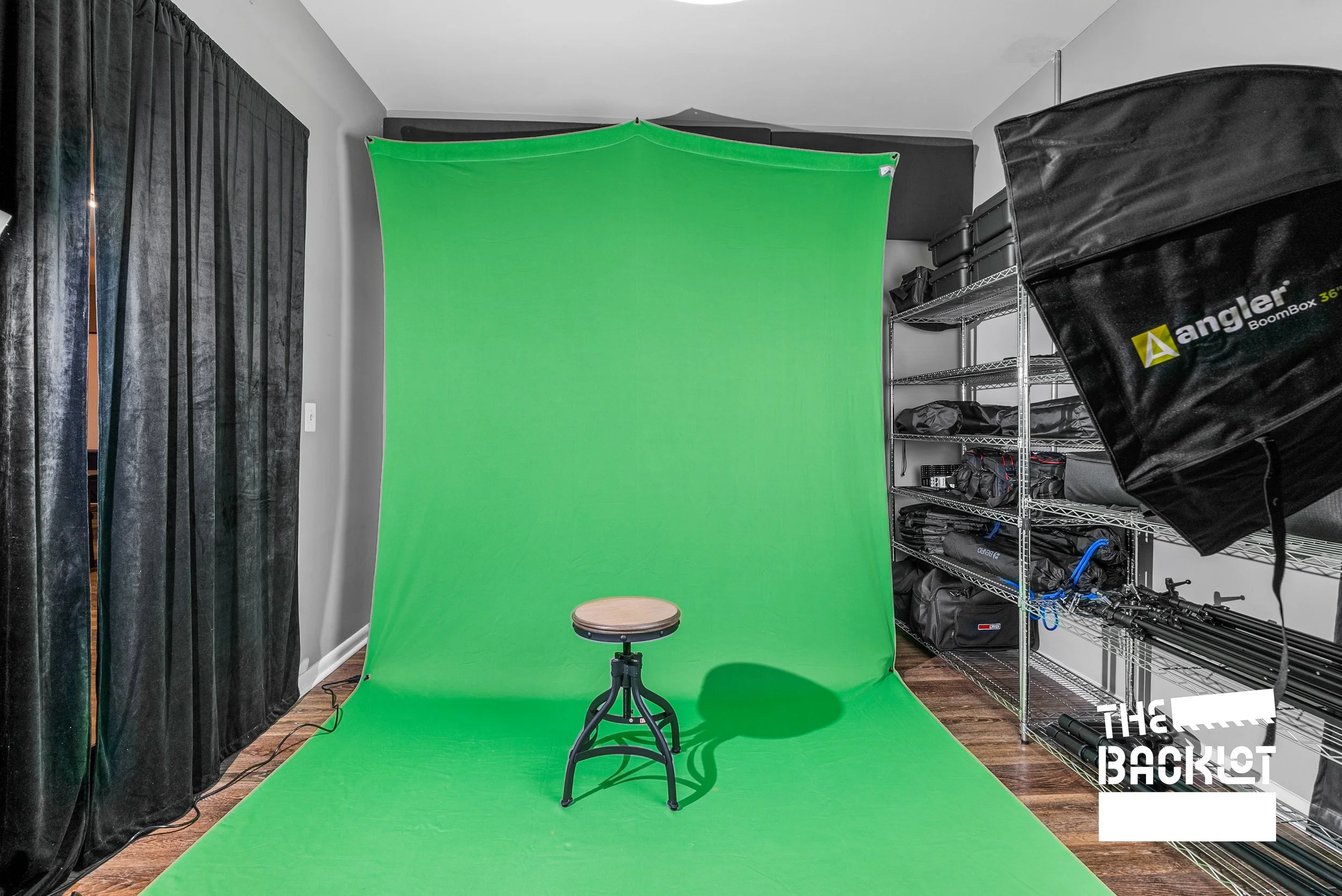
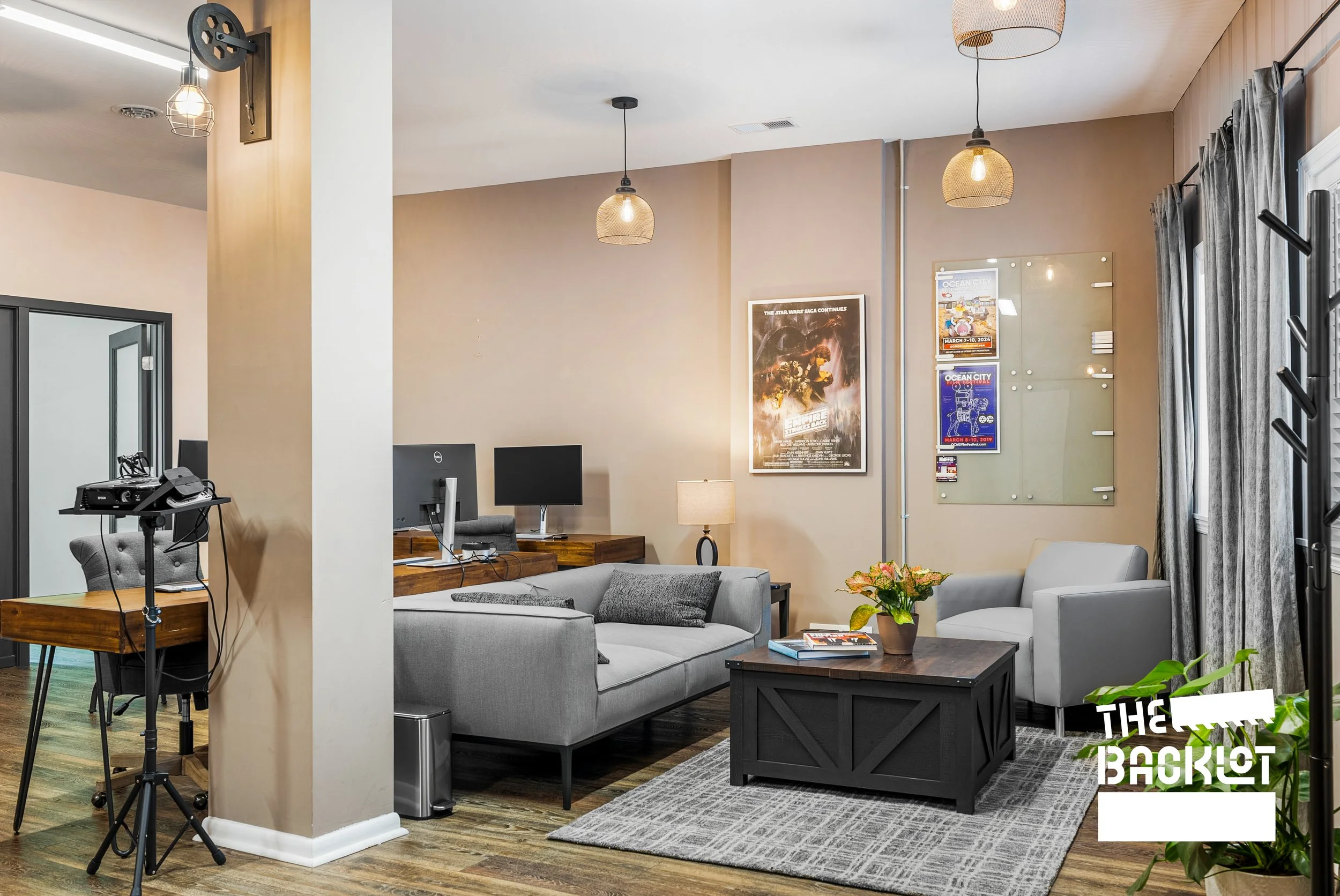
THE BACKLOT STUDIOS
The Backlot - Film School and Studio is our home base for pre- and post-production, but it can also serve as an excellent film set. Not only do we have the classroom setting, which can be used as such or made to look like a movie theater, but we also have a small office, computer lab, and lounge. The space has dividers that can be used to split the space up or to construct false walls for new sets. We also have a studio with black-and-white backdrops that can be raised behind an actor, whether they are in the void of space or doing a mock Apple commercial. Plus, we have a green screen that can functionally turn itself into any location you can imagine, just don’t assume we can pull off something as radical as teleporting your actors to Pandora.